Arper
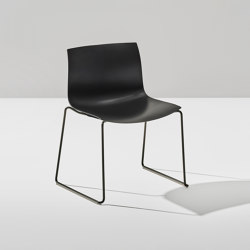
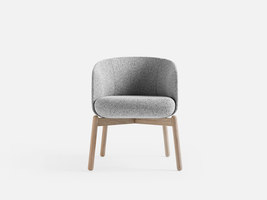
Catifa Carta - Sled
Fast
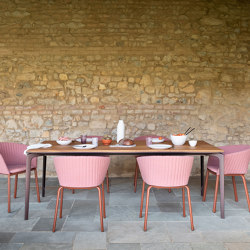
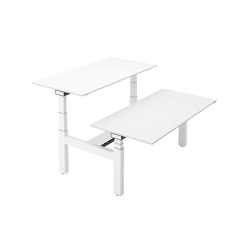
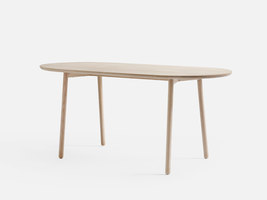
Allsize table
Occhio
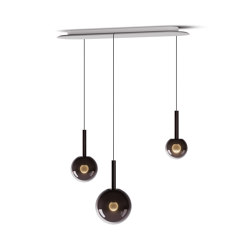
Luna sospeso cloud 3 L - phantom
Boss Design
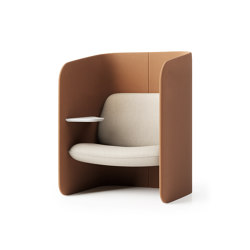
Frida Booth
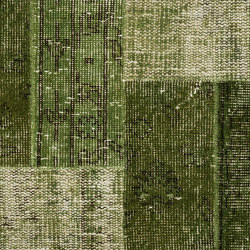
Urban Fabric Rugs
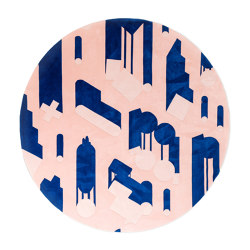
Shadows Of Things We Wish We Had | Circle
Intra lighting
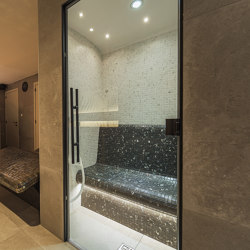
Kalis SDI
Kronos Ceramiche
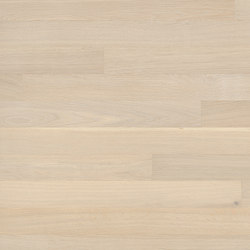
Les Bois | Villandry Sarawa
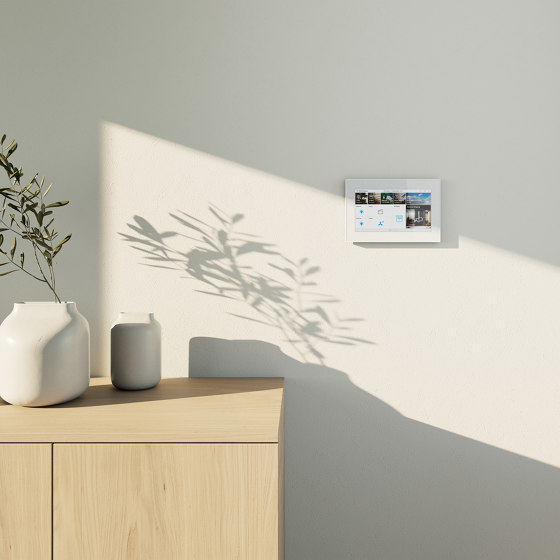
The latest smart solutions from Busch-Jaeger for secure ...
Brand story
Busch-Jaeger
07.05.2024
Constantly driven by innovation, electrical-installations specialist Busch-Jaeger has expanded its portfolio with a range of high-tech, user-friendly solutions that set new security standards for modern living.
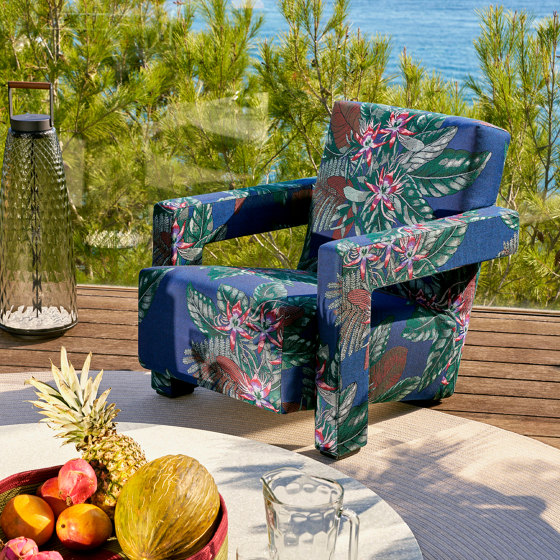
Cassina’s iconic Utrecht XL armchair is reimagined for the ...
Cassina
The emblematic Utrecht XL armchair – designed by Gerrit Thomas Rietveld – has taken over the outdoors, bringing with it a vibrant design that maintains a distinct graphic rhythm through the juxtaposition of orthogonal components.
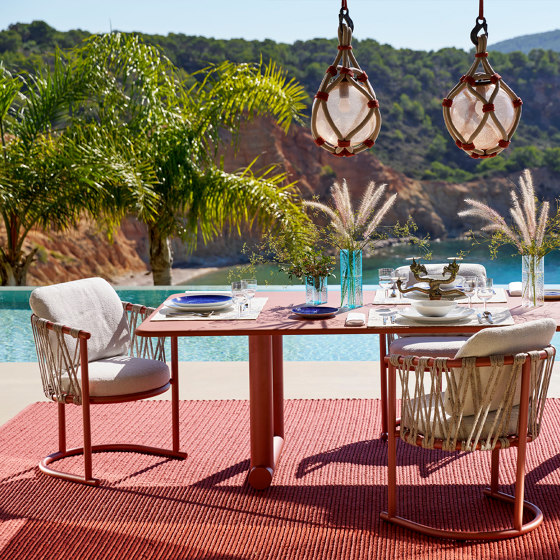
An outdoor dining duo completes Cassina’s playful ...
Introducing a new table and chair, Patricia Urquiola’s modern Trampoline collection plays with lively shapes and hues to infuse a dynamic flair to any exterior space – where boredom finds no place.
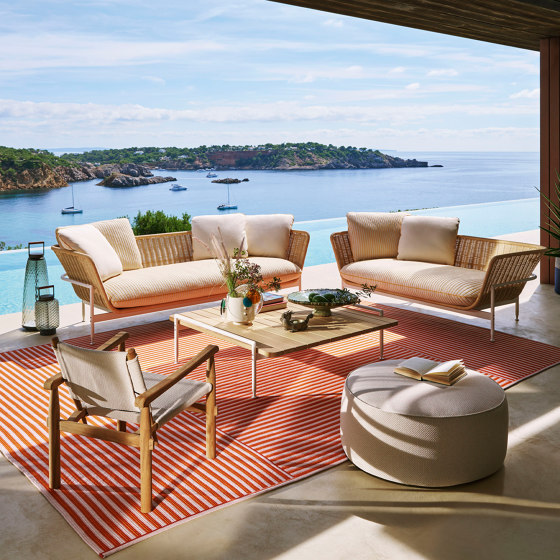
A refined design for informal comfort: Esosoft Outdoor ...
Preserving the structural integrity of its indoor counterparts, the Esosoft Outdoor system designed by Antonio Citterio enhances open-air living with its inviting warmth and visual charm, now featuring new materials.
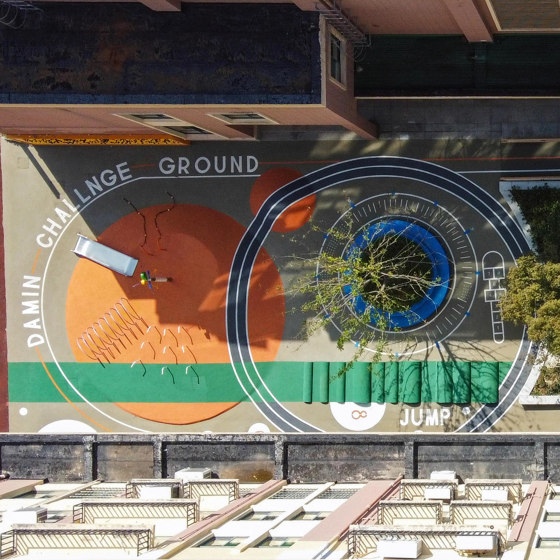
Urban squares that use play to bring people together
James Wormald
06.05.2024
All work and no play makes cities dull places to be. As well as inspiring joy through play, these four playgrounds set in centres of human interaction encourage communication, creativity and a connection with nature.
See all
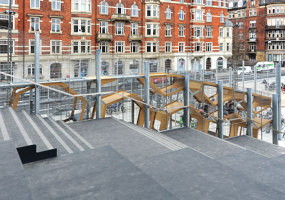
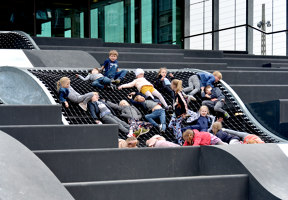
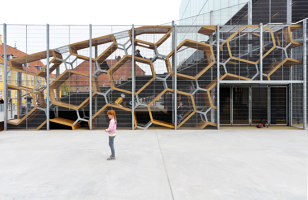
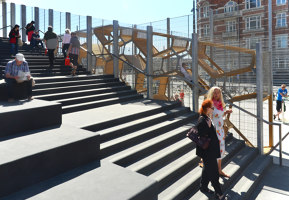
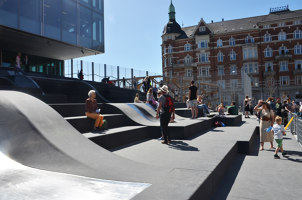
BLOX Playground
Carve
Copenhagen, Denmark, 2018
200
/