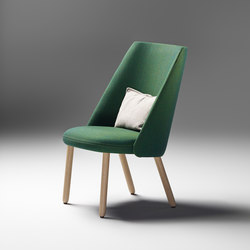
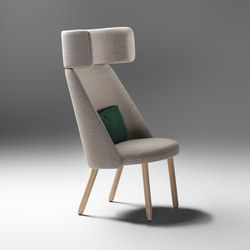
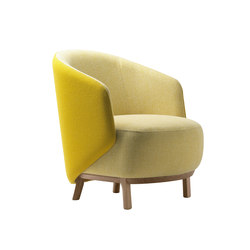
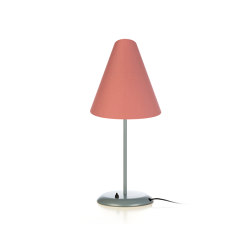
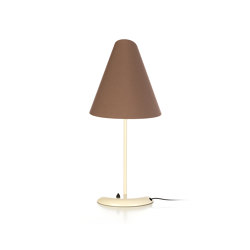
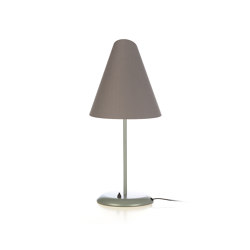
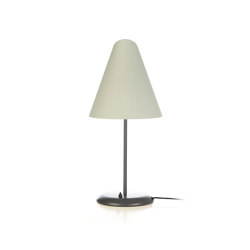
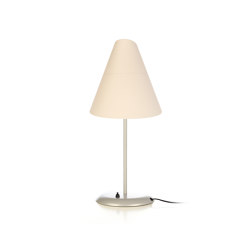
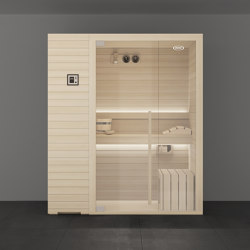
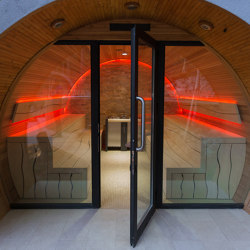
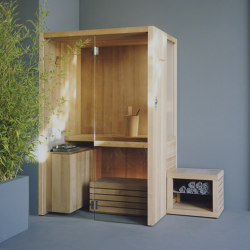
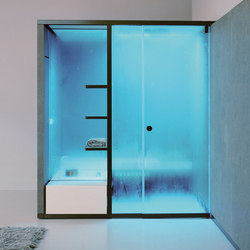
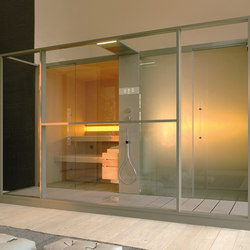
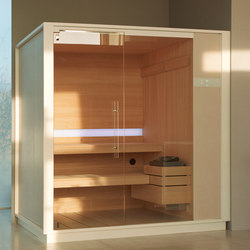
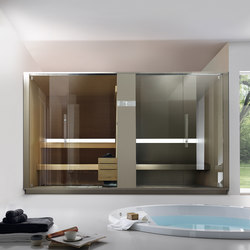
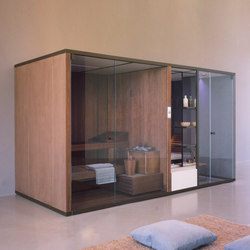
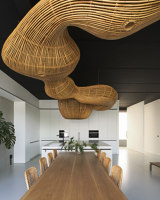
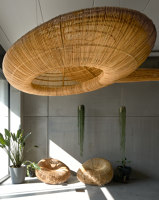
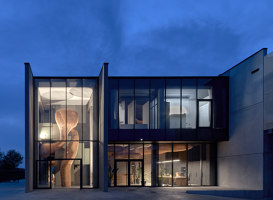
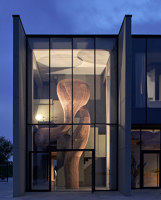
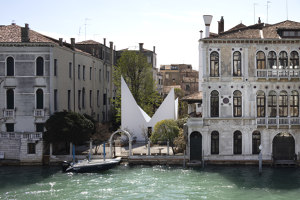
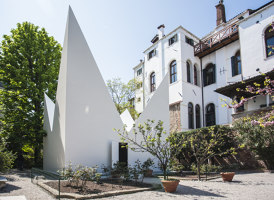
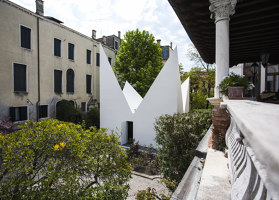
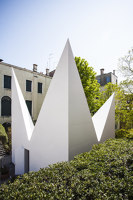
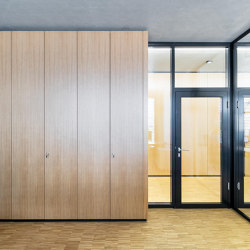
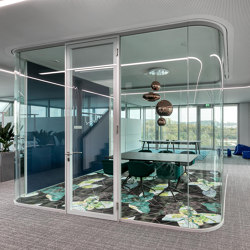
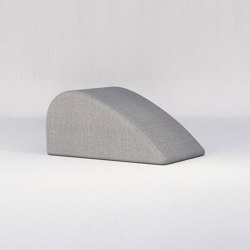
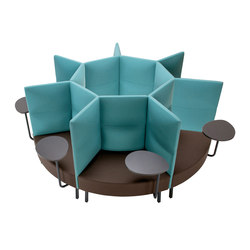
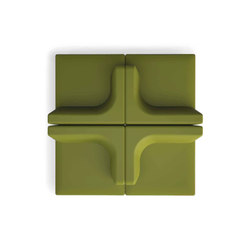
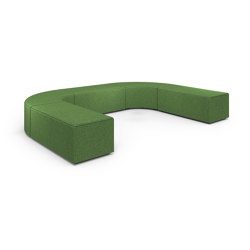
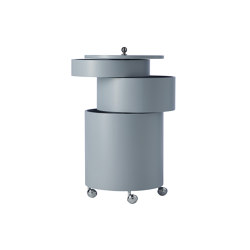
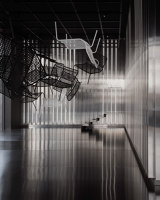
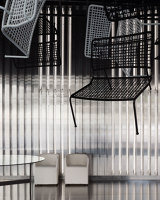
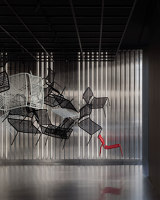
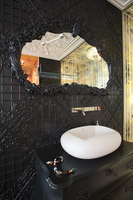
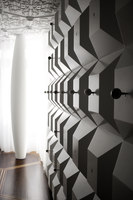
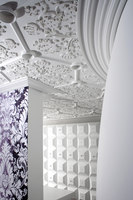
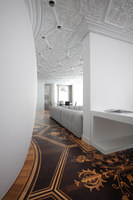
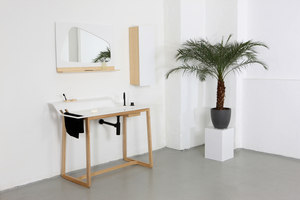
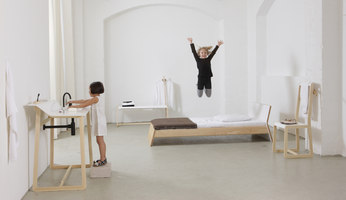
Kabin
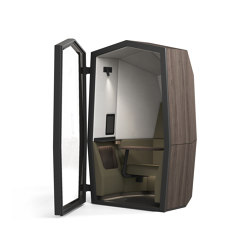
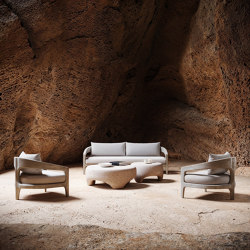
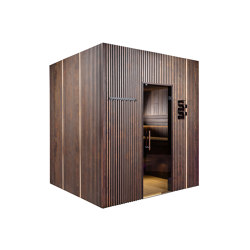
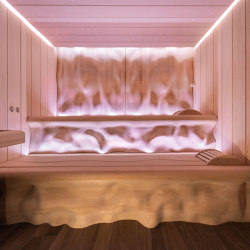
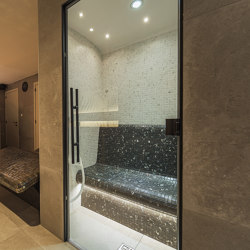
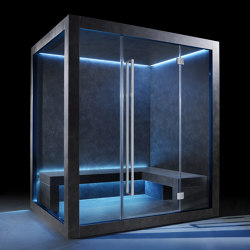
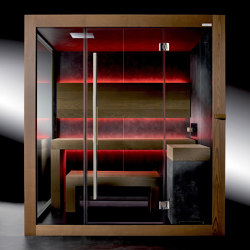
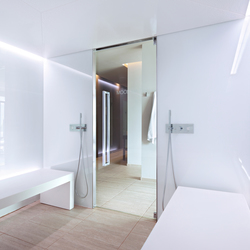
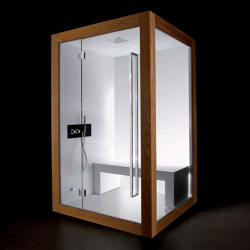
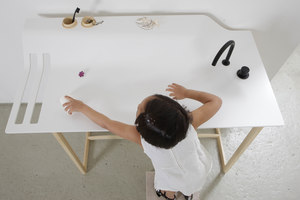
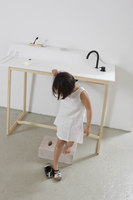
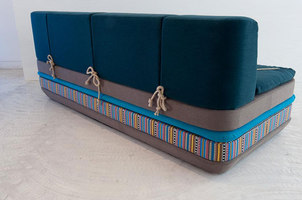
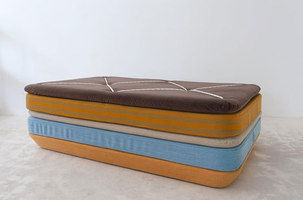
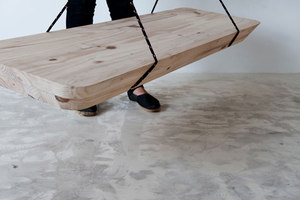
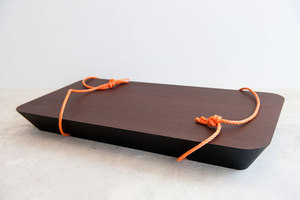
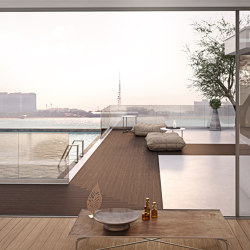
Kabin 1
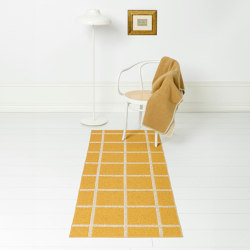
PAPPELINA
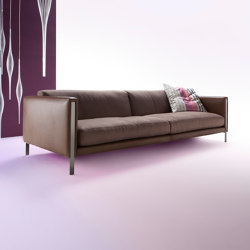
Ada Ochre | Beige Metallic
Gemla
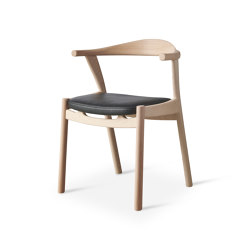
GEMYT Armchair
Exteta
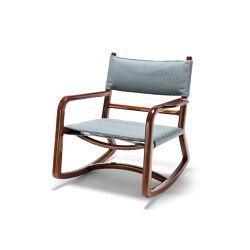
LPIDC05 - Rocking Chair
Capital
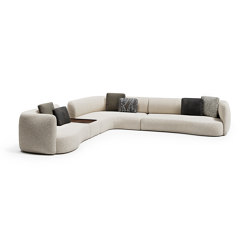
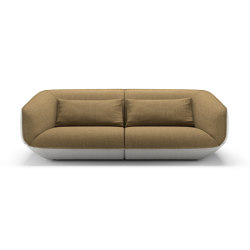
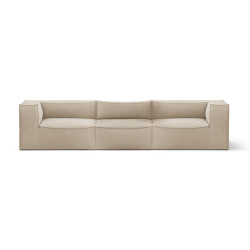
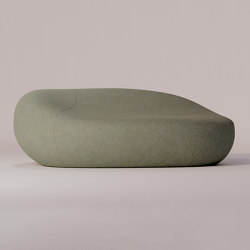
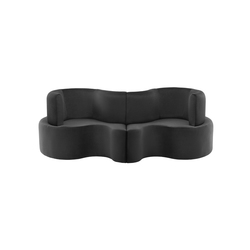
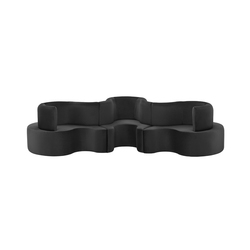
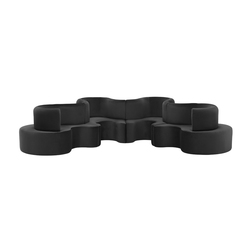
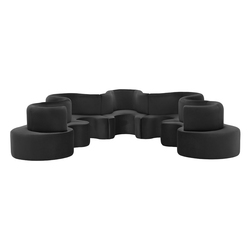
Cloud Modular Sofa
Casalgrande Padana
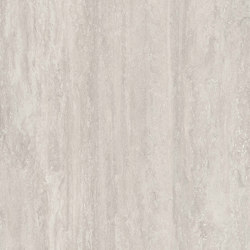
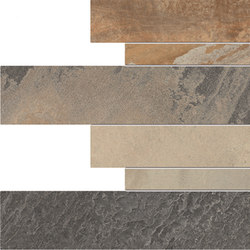
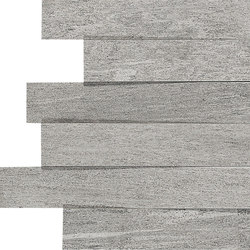
Pietra Tiburtina Palatino Vein
Fast
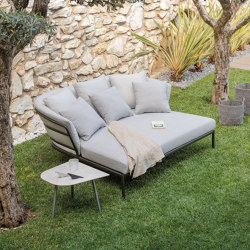
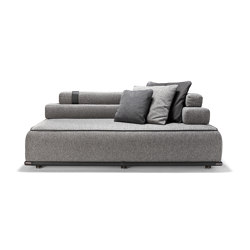
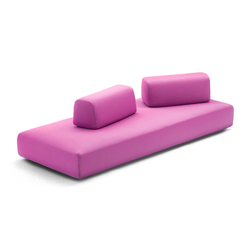
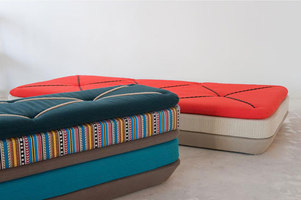
Ria Soft daybed
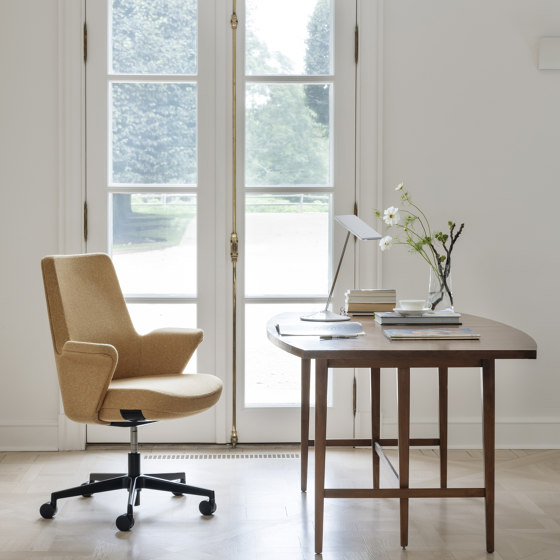
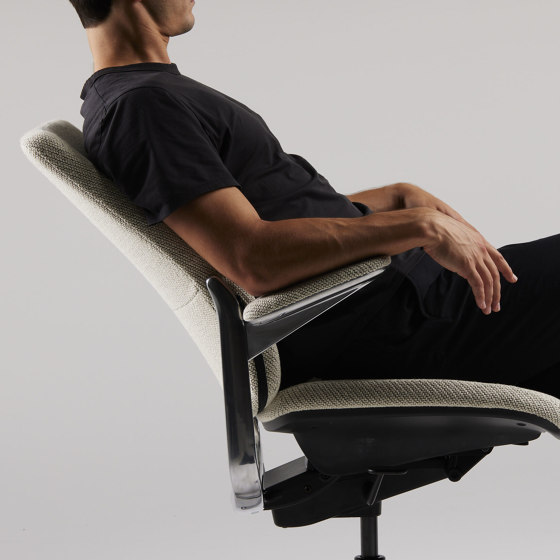
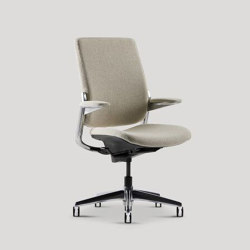
Summa by Humanscale: an executive chair on the move
Brand story
Humanscale
16.04.2024
Carefully engineered and fully adjustable, the contemporary Summa chair once again reveals Humanscale’s mission to furnish the ever-evolving workplace – all while boasting a refined, timeless aesthetic that exudes pure luxury.
Smart Conference: Humanscale’s essential ingredient to ...
Crafted for the dynamic hybrid work landscape, Humanscale’s Smart Conference chair embodies maximum adaptability and comfort. It accommodates multiple users with ease, whether they’re working from home or in the office.
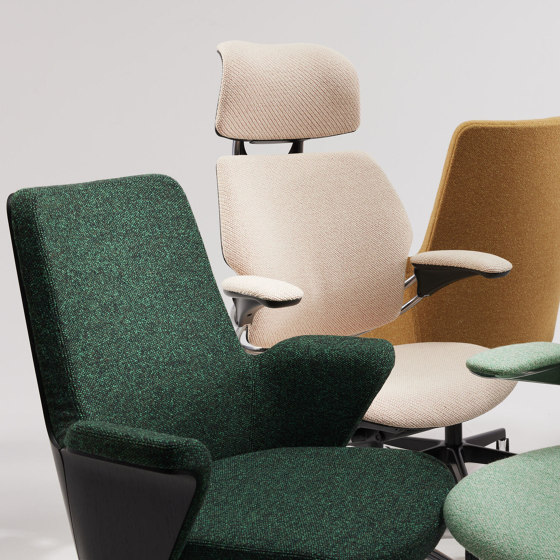
A creative coming together: Humanscale x Kvadrat
It’s a perfect fit: Humanscale, expert in office furniture, joined forces with the innovative textile brand Kvadrat. Guided by eco-conscious principles, the iconic collaboration merges ergonomic technology with captivating aesthetics.
Timeless design icons by next125
next125
11.04.2024
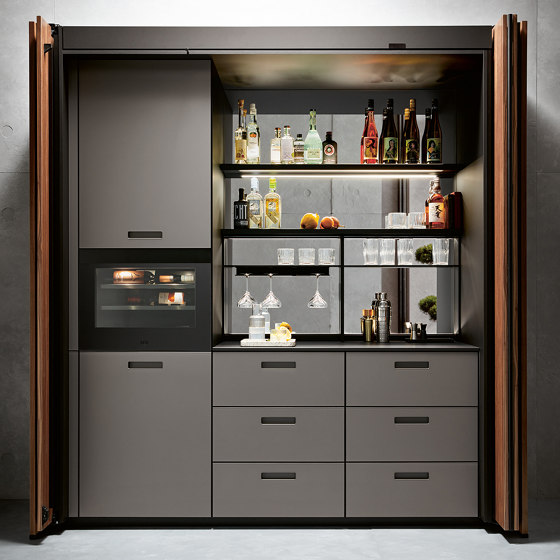
Elevating German craftsmanship, next125's iconic kitchen designs earn praise for their functional sophistication and technological innovation.
'The Fireplace' sparks inspiration at Milan Design ...
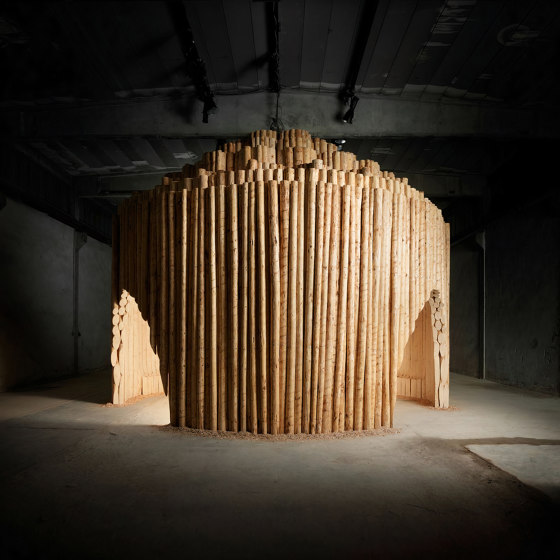
Milan Design Week hosts innovation with 'The Fireplace' designed by architect Diébédo Francis Kéré. It's a blend of modern aesthetics and traditional warmth, in the spirit of next125.
See all
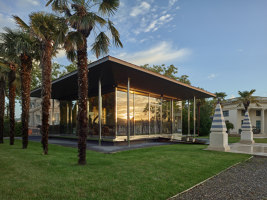
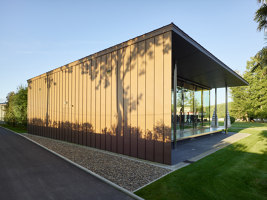
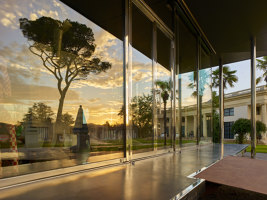
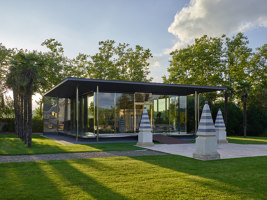
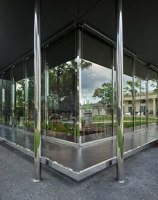
Cube
Maxime d'Angeac
Gers, France, 2015
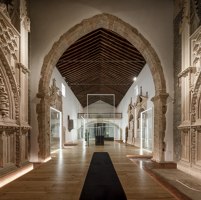
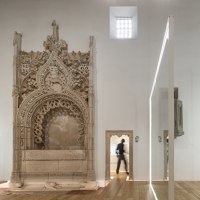
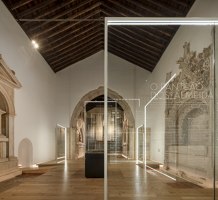
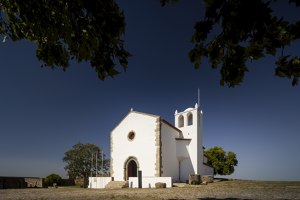
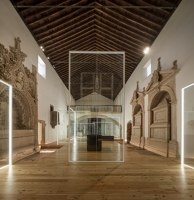
Museography and Exhibition of Panteão dos Almeida
spaceworkers
Abrantes, Portugal, 2022
A Factory Facelift
Enter Projects Asia
Waregem, Belgium, 2022
Hanji House
Stefano Boeri Architects
Venice, Italy, 2022
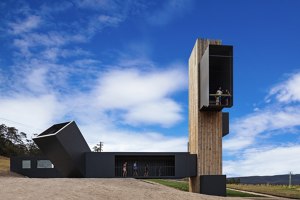
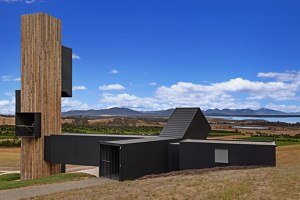
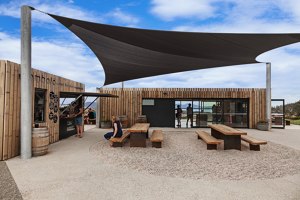
Devil's Corner
Cumulus Studio
Apslawn, Australia, 2021
200
/